Scroll through TikTok or Instagram for five minutes, and you’ll find no shortage of smile hacks. Charcoal toothpaste that “pulls out stains.” Baking soda scrubs. Lemon juice rinses. Oil pulling for a “naturally white” smile. They’re everywhere. And they’re convincing, especially when the before-and-after photos look impressive.
But as dentists in Beaverton who see the real consequences of these trends every week, we want to give you the honest truth. Some of these DIY whitening methods don’t work at all. Others can actually damage your teeth in ways that are permanent.
Charcoal Toothpaste: The Trend That Won’t Quit
Activated charcoal has become the poster child for DIY whitening. The pitch is simple: charcoal is porous, so it “traps” stains and lifts them off your teeth. Sounds great, right?
The problem is twofold.
- There’s little solid evidence that charcoal actually whitens teeth. The American Dental Association has not approved charcoal toothpaste for whitening, and studies so far haven’t shown meaningful results.
- Charcoal is abrasive. It scrubs at your enamel like sandpaper. Over time, that abrasiveness wears down the protective outer layer of your teeth. And once enamel is gone, it doesn’t grow back.
As enamel thins, the yellow dentin underneath becomes more visible. So a toothpaste marketed to make your teeth whiter could actually make them look more yellow over time. It can also increase sensitivity and make your teeth more vulnerable to decay.
Baking Soda and Lemon Juice: A Recipe for Damage
This one circulates constantly. Mix baking soda with lemon juice, brush it on, and watch the stains disappear. Yes, it might look like it works at first. Lemon juice is acidic, and baking soda is abrasive. Together, they can physically scrub away surface stains.
But they’re also stripping your enamel in the process. Lemon juice is highly acidic and softens enamel on contact. Baking soda then grinds it away. Do this regularly, and you’re causing real, irreversible damage, all for a temporary brightening effect.
Dr. Mattson, Dr. Hellickson, and Dr. Daraee have seen the results of this trend firsthand. Thinning enamel, increased sensitivity, and teeth that need restorative work because of damage that could have been avoided.
Oil Pulling: Harmless, But Not a Whitener
Oil pulling, swishing coconut or sesame oil in your mouth for 15 to 20 minutes, has been around for centuries. Some people swear by it.
We’re not against it. It’s generally harmless, and some patients say it helps with gum freshness. But solid scientific evidence doesn’t show it whitens teeth. It doesn’t penetrate stains or change tooth color. If you enjoy it, fine. Just don’t expect your smile to get brighter.
What Actually Works
You don’t need viral hacks to get a whiter smile. You just need the right approach.
- Start with good habits: Brush twice a day with a fluoride toothpaste, floss daily, and keep up with your regular cleanings. Professional cleanings remove surface stains and tartar that no toothpaste can touch.
- Limit stain-causing culprits: Coffee, tea, red wine, and dark berries all leave their mark over time. You don’t have to give them up, but rinsing with water afterward helps.
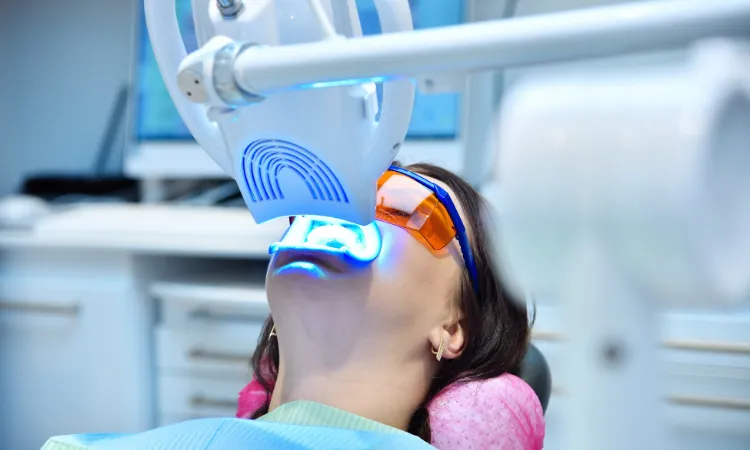
- Choose professional whitening: At MH Dental, we offer safe, effective whitening treatments tailored to your smile. Unlike DIY methods, professional whitening brightens your teeth without damaging enamel. You’ll see real results without risking your long-term dental health.
If you’re dealing with deeper discoloration or intrinsic stains, we can talk about other options like porcelain veneers or bonding that address color at a different level.
A Smarter Path to a Brighter Smile
We get why these trends are tempting. They’re cheap, easy, and promise quick results. But your enamel is precious, and it doesn’t come back once it’s gone.
If you’ve been experimenting with charcoal, lemon juice, or other DIY whitening methods, it’s worth having us take a look. And if you’re ready for a whiter smile the safe way, we’d love to help. Call our Beaverton office at 503-308-7664 or request an online smile consultation. Your smile and your enamel will thank you.